
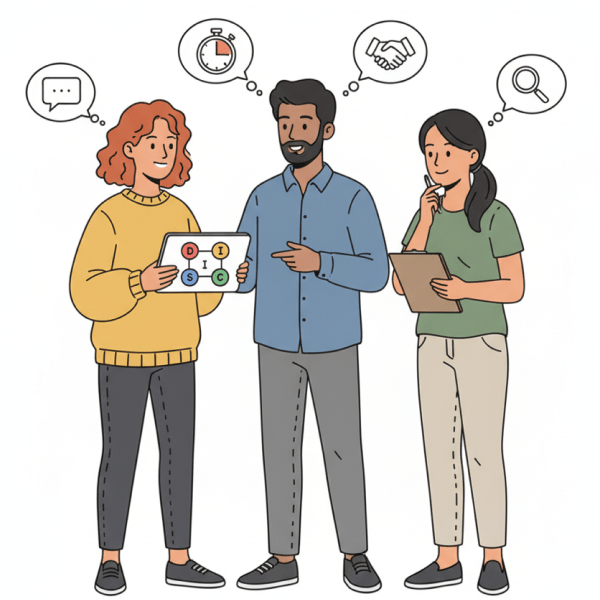
Foundations of the DISC Model: What It Is
People everywhere notice patterns in how colleagues decide, persuade, support, and analyze. Within this framework, DISC assessment meaning connects observable behaviors to underlying drives without pathologizing anyone. Born from research on temperament and later refined for workplaces, the model maps preferences rather than abilities. Leaders, coaches, and educators use it to build shared language and reduce avoidable friction.

Reduce Misunderstandings
At its core, the tool groups tendencies into four primary clusters that are easy to remember. In practical terms, DISC assessment explained translates to a clear narrative about how someone gets results, influences others, paces tasks, and applies standards. It offers an entry point for constructive dialogue because it spotlights situations, not personal worth. When teams adopt this language, misinterpretations drop and expectations become explicit.
Start the TestHow the Communication Styles Work in Real Life
Each style blends speed, social orientation, and preference for rules or flexibility. In many settings, DISC personality assessment frameworks describe Dominance, Influence, Steadiness, and Conscientiousness with crisp behavioral markers. Dominance moves fast and focuses on outcomes, while Influence energizes groups and values spontaneity. Steadiness brings calm support and patience, whereas Conscientiousness prizes accuracy and evidence.
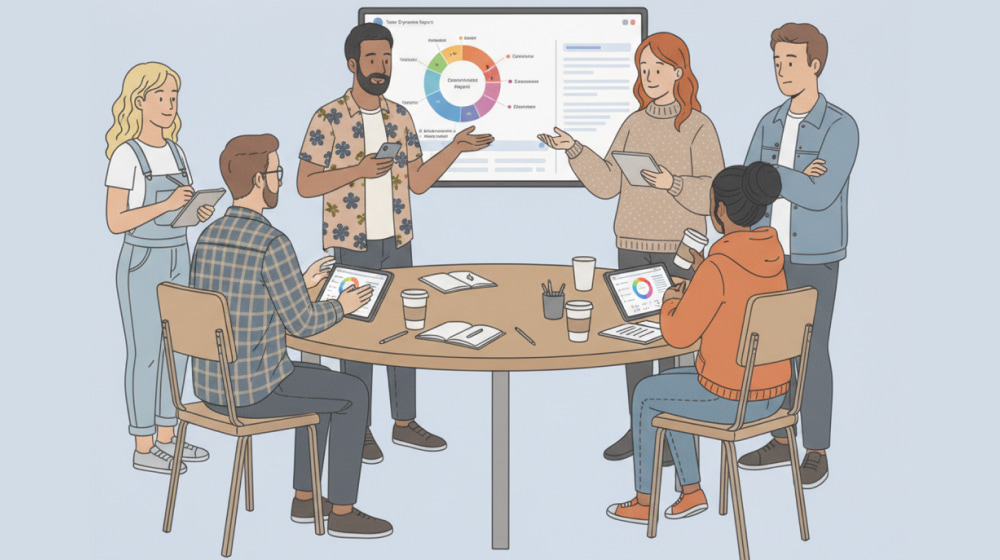
No person is a single letter, and context changes which tendencies appear. Well-designed DISC profile assessment reports show intensity across the four factors so people can adjust wisely. A high-energy seller might cool their pace during contract reviews, and a meticulous analyst can step forward when detail rules the day. The point is flexibility sparked by awareness rather than rigid labels.
-
![]() Remember that style is descriptive, not determinative, so growth remains possible.
Remember that style is descriptive, not determinative, so growth remains possible. -
![]() Expect behavior to shift under stress, deadlines, or unfamiliar stakeholders.
Expect behavior to shift under stress, deadlines, or unfamiliar stakeholders. -
![]() Use the model to plan conversations and meetings, not to box people in.
Use the model to plan conversations and meetings, not to box people in.

Style Comparison and Quick Reference
Reference visuals make it simple to translate the model into day-to-day behaviors. During workshops, communication styles assessment summaries help participants contrast preferences at a glance. Use the matrix below to align messaging, pace, and detail level for smoother exchanges. Keep in mind that stress, culture, and context can tilt behavior temporarily.
| Style | Core Drive | Strengths | Watch-outs | Ideal Environments |
|---|---|---|---|---|
| Dominance (D) | Results and speed | Decisive, bold, competitive | Impatience, bluntness | High stakes, clear authority, rapid change |
| Influence (I) | Social connection | Inspiring, persuasive, optimistic | Overpromising, distraction | Brainstorming, evangelizing, partnerships |
| Steadiness (S) | Harmony and stability | Supportive, patient, reliable | Aversion to conflict, slow to pivot | Team support, service continuity, steady cadence |
| Conscientiousness (C) | Accuracy and standards | Analytical, meticulous, objective | Overanalysis, risk aversion | Quality control, compliance, complex problem-solving |
Once patterns are visible, action plans become specific and measurable. A practical communication style assessment can nudge a fast-moving executive to slow down when consensus is vital. Conversely, it can encourage a careful analyst to speak earlier in brainstorming so valuable ideas are not lost. The win is a team that flexes deliberately rather than relying on habit.
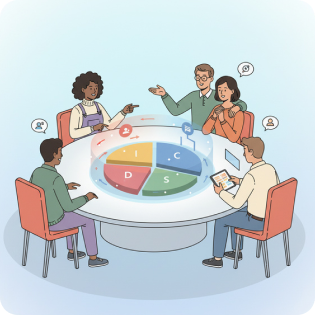
Practical gains show up quickly when organizations anchor conversations in a shared framework. For decision-makers, DISC leadership assessment insights reveal how pressure, authority, and risk appetite shape everyday choices. That knowledge guides role fit, succession pipelines, and coaching priorities. It also helps managers tailor feedback, pacing, and delegation to match team preferences. Beyond leadership pipelines, interpersonal dynamics improve when people learn to tune messages to the listener. During onboarding or team resets, communication assessment modules pinpoint where misfires occur and suggest concrete adjustments.
Start the Test-
![]() Reduce friction in cross-functional handoffs with shared expectations.
Reduce friction in cross-functional handoffs with shared expectations. -
![]() Shorten meetings by aligning agenda design to audience preferences.
Shorten meetings by aligning agenda design to audience preferences. -
![]() Strengthen customer relationships through better DISCovery questioning.
Strengthen customer relationships through better DISCovery questioning.
Interpreting Your DISC Profile Assessment
People often worry about time commitment or complexity before they try a tool. In most programs, a modern DISC assessment test uses brief, scenario-based items that capture preferences without feeling invasive. Clear instructions and neutral wording reduce response bias and improve trust. After completion, a narrative report translates data into everyday language.
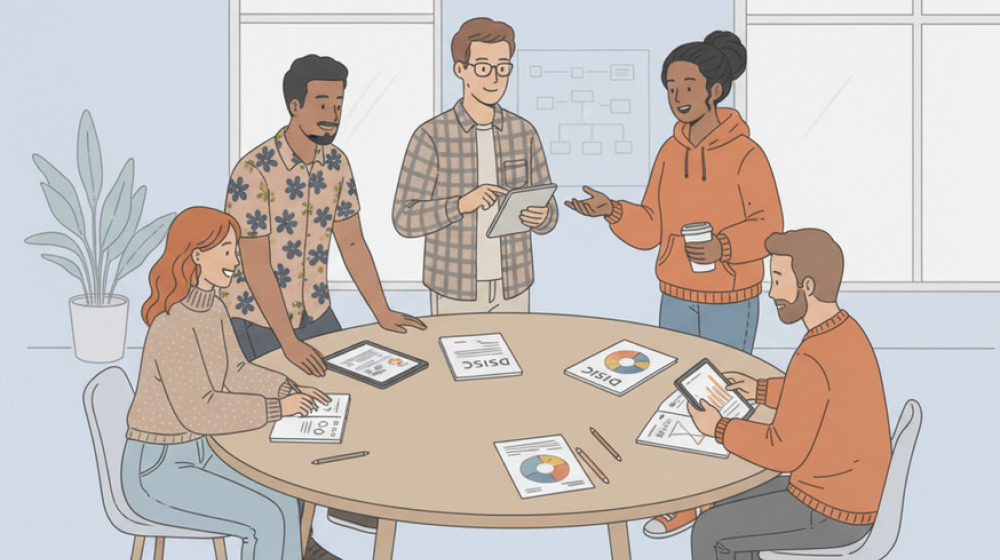
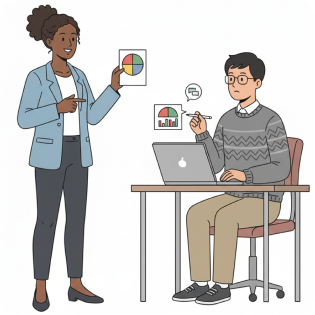
Interpretation is the moment where data becomes development. A well-constructed DISC assessment profile explains typical strengths, blind spots, and stress behaviors while offering practical experiments to try. For example, a highly influential teammate might plan pauses to invite quieter voices. A detail-driven partner might set timeboxes to prevent analysis paralysis. Follow-through matters more than taking a quiz once. When used in retrospectives, a focused DISC assessment conversation informs how the team will handle decisions, handoffs, and feedback loops in the next sprint. Teams that revisit insights during project checkpoints keep improvements alive. Micro-habits formed here reduce friction across functions.
Exploring Tools for Organizations
Access models range from vendor-managed platforms to embedded tools in HR suites. Some organizations pilot with a DISC assessment free introduction to gauge interest and impact before scaling. That trial approach surfaces champions and tailors rollout plans. It also clarifies which facilitation supports are worth investing in.
Start the TestOnline DISC Assessment Test: Best Practices
Not all no-cost options are created equal, so evaluate the rigor behind any questionnaire. A simple free DISC assessment test may offer quick curiosity value, yet reliability and coaching depth usually rise with professional editions. Look for transparent methodology statements from providers you trust. If outcomes will drive big decisions, treat the tool like any other critical business system.
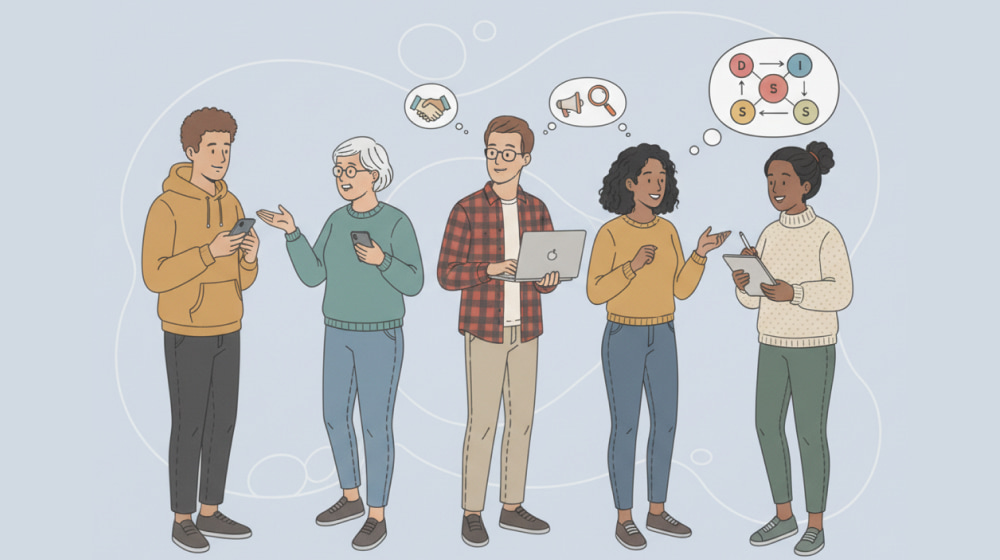
Remote and hybrid teams need flexible access that works across devices and bandwidth limits. For lightweight exploration, a starter DISC assessment online free experience can spark useful DISCussion during virtual workshops. After interest grows, many leaders upgrade to versions with dashboards, group maps, and API integrations. Those features help scale insights across departments without an extra administration burden. When comparing platforms, consider data privacy, localization, and integration support alongside price. A curated list of reputable free DISC assessment online samplers can live on your learning portal so people can experiment responsibly. Pair that catalog with guidance on next steps if teams want deeper diagnostics. That way, exploration feeds a thoughtful learning pathway instead of ad-hoc experimentation.
Online DISC Assessment Test: Find Your Communication Style
Get StartedFAQ: Common Questions About the DISC Tool
- How long does a typical questionnaire take?Most modern instruments take 10–20 minutes, with clear instructions and intuitive choices that reduce fatigue and improve accuracy.
- Can someone “game” the results to look better?Faking is difficult when items are well designed, and facilitated debriefs quickly surface inconsistencies between claimed tendencies and real behaviors.
- Is it suitable for hiring decisions?Use it as one data point for development and onboarding, not as a gatekeeper, and always comply with local employment regulations and validation standards.
- How often should teams revisit their insights?Schedule brief refreshers quarterly or at major project transitions, and connect reflection to real decisions, workflows, and relationship dynamics.
- What makes a good facilitator?Look for someone who blends psychological safety, business acumen, and practical coaching, with the ability to translate insights into next-step behaviors.
The Latest News
 Mastering Communication Style Assessment: A Practical Guide Online DISC Assessment Test: Find Your Communication Style Get Started Why Communication Style Profiling Matters in Modern Work Work today runs on conversations, and the way people phrase requests, escalate risks, and give feedback determines whether initiatives accelerate or stall....
 - 15 December, 2025
- Communication Style Assessment: A Complete Guide to Style Profiling Online DISC Assessment Test: Find Your Communication Style Get Started What Communication Style Profiling Is and Why It Matters Every conversation leaves a trail of cues about preference, pacing, and priorities. Some people broadcast ideas with energetic flair, while others weigh ev...
- 12 December, 2025
- Your Guide to Free DISC Assessment: Improve Communication and Grow Faster Online DISC Assessment Test: Find Your Communication Style Get Started What the DISC Model Measures and Why It Matters The DISC framework translates everyday behavior into a clear map of tendencies, motivations, and stress responses. Instead of guessing how you show up at work or in...
- 11 December, 2025
Please Note
This website (disc-assessment-online.com) is not an official representative, creator or developer of this application, game, or product. All the copyrighted materials belong to their respective owners. All the content on this website is used for educational and informative purposes only.